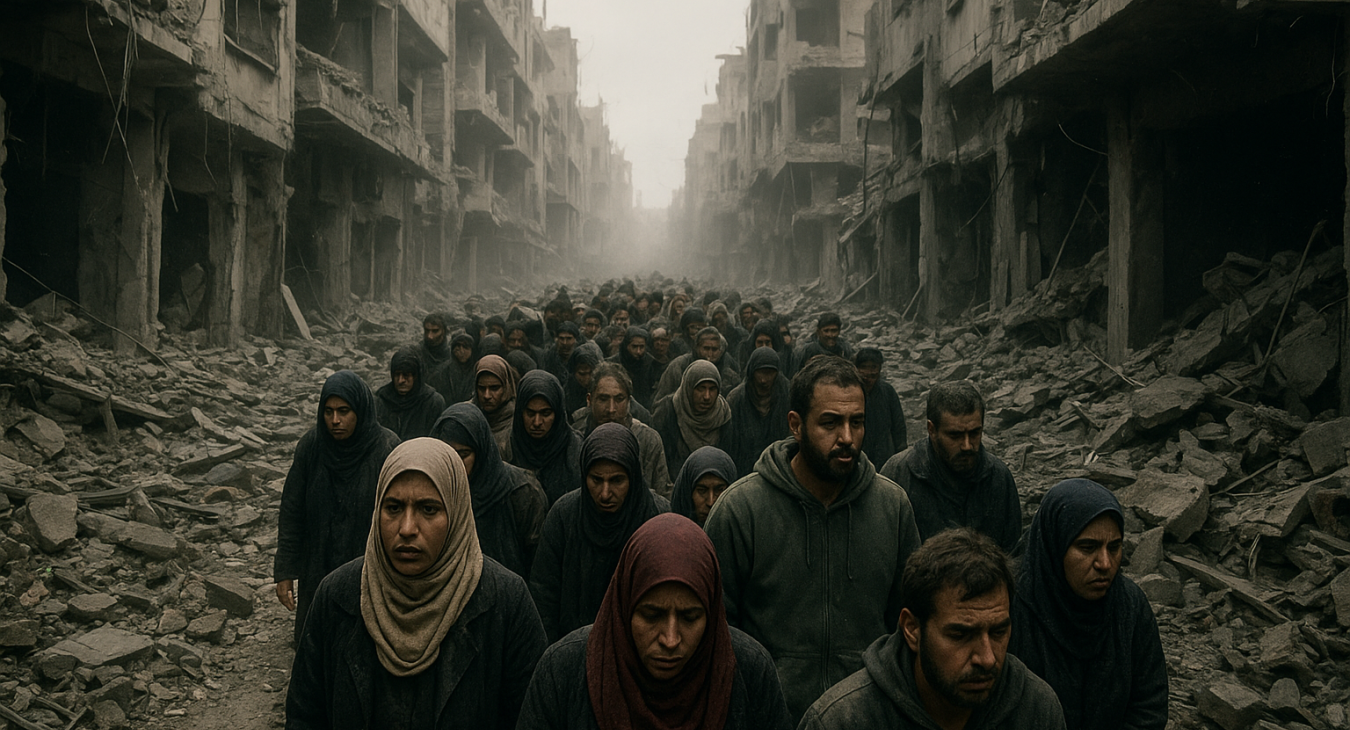
Introduction: Voices from a Community in Shock
The incident near Berlin’s Pride festival in early May sent a ripple of distress through Germany’s Muslim population. A van crashed into a crowd, followed by a knife attack, and the suspect was shot dead by police. German Interior Minister Alexander Dobrindt publicly affirmed that the evidence pointed to an Islamist terrorist motive, a stance that resonated with many Muslim organisations who condemned the assault and expressed alarm at potential reprisals.Interview with Mosque Leaders and Muslim Scholars
During a sit‑down with the imam of the mosque in Neukölln, we heard a clear message of disbelief and sorrow. The imam denounced the attack as “inconsistent with Islamic teachings” and warned that its framing could deepen anti‑Muslim sentiment. He emphasised that the action of one individual does not represent a community, and highlighted the role of religious scholars in delegitimising extremist narratives. The same sentiment echoed in a statement from the German Muslim Federation, which called for an independent investigation and for the government to avoid oversimplifying the motive.Youth Activists: The Frontline of Resilience
A group of 18‑ to 24‑year‑old activists from the “Muslim Youth for Peace” collective spoke about the impact on their daily lives. They described increased surveillance at community events, a drop in attendance at mosques, and a sense of vulnerability that now shadows campus gatherings. Yet, they also noted a surge in solidarity initiatives, such as joint protests with LGBTQ+ groups and community watch programmes. Their narrative demonstrates how the shock can foster both fear and a drive for collective resilience.Family of Victims: A Shared Grief
A mother whose husband was injured in the melee at the Pride perimeter recounted her terror and the surreal feeling of being in the same city as a martyr. She expressed hope that the truth about the assailant would prevent “others from facing similar backlash.” Her story illustrates the intersection of personal grief and broader communal anxieties about how Muslim identities are politicised in the aftermath of violent incidents.NGO Perspectives: Civil Society Responds
Civil society organisations such as “Human Rights in Germany” (Menschheits) released a statement urging the state to “examine not only the individual’s motive but also the broader systemic factors that may cultivate extremism.” They pointed out that the violent confrontation had taken place in a context of rising right‑wing populism, citing statistical increases in right‑wing extremist events in the past decade. The NGO also underlined the necessity of nuanced reporting to avoid reinforcing stereotypes.Challenging the Narrative: Beyond “Islamist Terrorist”
The mainstream narrative that frames the incident strictly as an Islamist terrorist attack is heavily criticised by a spectrum of commentators. Scholars argue that such a framing can marginalise moderate Muslims, feed Islamophobic tropes, and divert attention from other contributing variables such as socio‑economic marginalisation, institutional discrimination, and the presence of right‑wing radical groups. By isolating a single motive, the narrative risks simplifying a complex socio‑political reality that includes long‑standing grievances and a climate of intolerance.Historical Context: Post‑War Integration to Today
Germany’s post‑war refugee policies, particularly the 1961 Treaty on the Status of Refugees, paved the way for a growing Muslim population. Subsequent labour migration in the 1970s and the so‑called “guest worker” agreements expanded the community. Over the last two decades, census data show a steady rise in the Muslim demographic to roughly 5 % of the population, accompanied by increased representation in civic life. Nevertheless, reports of discrimination, hate crimes, and targeted harassment remain significant. Historically, Germany has witnessed attacks on LGBTQ+ spaces, most notably the 2017 sit‑in at the fusing Berlin Pride protest, indicating a persistent tension between liberal ideals and right‑wing extremism.Alternative Viewpoints: Interfaith Initiatives and Social Media
In the immediate weeks following the attack, several interfaith dialogues were organised between Muslim representatives and LGBTQ+ activists. These forums aim to build empathy and dismantle mutual misunderstandings. Social media played a dual role: while some platforms amplified anti‑Muslim rhetoric, others served as spaces for counter‑narratives and solidarity messages. Muslim scholars on YouTube and podcasts have taken the opportunity to publicly denounce the attack, stressing the distinction between extremist ideology and the broader Muslim faith.Investigating Claims: Evidence, Misidentification, and Political Motives
The claim that the assailant was unequivocally motivated by Islamist ideology stems from the Interior Ministry’s preliminary analysis. However, critical voices argue that official statements may lack complete transparency regarding intelligence data. Requests for corroborating evidence from security agencies have so far yielded only general statements. Moreover, speculation about political motives suggests that the government might employ the incident to justify restrictive policies or stoke a narrative of national vulnerability.International Comparisons: Mislabeling and Islamophobia
Internationally, there have been precedents where violent events were hastily classified as Islamist terrorism without robust evidence. The 2015 Paris attacks and the 2016 Brussels bombings, for instance, sparked intense media scrutiny that at times overlooked contributions from far‑right actors. Such mislabeling can have dire consequences, fostering an environment of suspicion that disproportionately affects Muslims worldwide. Comparative studies emphasize the importance of balanced reporting that distinguishes between individual acts and structural dynamics.Proposals for Healing and Solidarity
To transform fear into solidarity, a series of actionable steps is suggested: 1. Community‑led safety workshops: Local mosques and NGOs can co‑organise safety briefings for attendees at public events, covering situational awareness and emergency protocols. 2. Mental health support: Government and civil society should offer counselling services for families of victims, ensuring that grief is addressed within a culturally sensitive framework. 3. Public dialogues between Muslim and LGBTQ+ groups: Regular forums and joint cultural celebrations can create shared spaces for mutual understanding, dispelling myths on both sides. 4. Transparent investigations: Independent oversight panels should publish detailed findings, including evidence used to determine motives, to maintain public trust. 5. Media training for journalists: Providing guidelines on nuanced reporting can help avoid the pitfalls of stereotyping and oversimplification.Conclusion: Toward a Resilient and Inclusive Society
The tragedy near Berlin’s Pride festival underscores a urgent need to revisit how society frames terrorism and Muslim identity. By amplifying diverse voices within the Muslim community, scrutinising official narratives, and addressing the root causes of extremism—whether they stem from discrimination, marginalisation, or ideological radicalisation—Germany can move beyond surface reporting. The proposals outlined above aim to nurture resilience, foster mutual empathy, and promote a more inclusive narrative that acknowledges the multifaceted realities of both Muslim and LGBTQ+ communities in a modern, pluralistic society.Read more articles
English