Ambiguous Loss and the Human Reality of the Lamplugh Disappearance
The Spectacle of the Unseen Photo
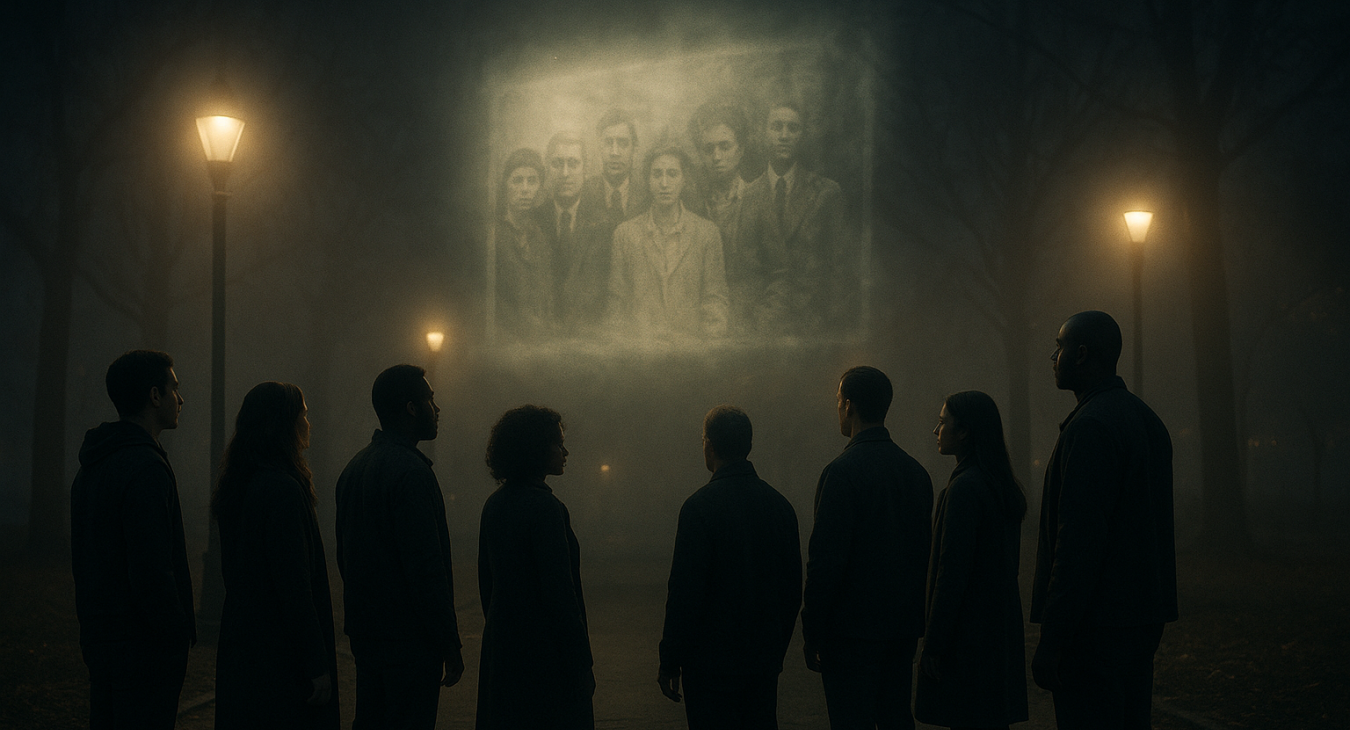
When media outlets report on the release of 'unseen pictures' related to the disappearance of Suzy Lamplugh, the narrative often leans into the sensationalism typical of true crime entertainment. For many, the allure lies in the mystery, treating the case as a puzzle to be solved by armchair detectives. However, for the family of the 25 year old estate agent, these images are not mere artifacts of a mystery. They are precious, painful reminders of a life interrupted. As the anniversary of her disappearance approaches, the release of photographs featuring Suzy alongside her siblings, Lizzie, Tamsin, and Richard, as well as her parents, Paul and Diana, serves a purpose far deeper than generating headlines. It is an effort to reassert the humanity of a woman who has been reduced by the media to a case file or a ghost haunting the corridors of Scotland Yard.Understanding Ambiguous Loss
In psychology, the term 'ambiguous loss' describes the unique form of grief experienced by those who lack closure due to the disappearance of a loved one. Unlike a death, where a ritual of mourning occurs and a body is recovered, the disappearance of Suzy Lamplugh leaves her family in a state of permanent limbo. They are caught between the hope of a miraculous return and the devastating certainty of loss. This psychological trauma is distinct from traditional bereavement. The absence of a body prevents the finality required for the mourning process to conclude. For the Lamplugh family, forty years of existence have been defined by this unresolved tension, a reality that is frequently overlooked when the public focuses on the identity of the prime suspect.The Limits of Institutional Justice
As the Metropolitan Police Service prepares to approach a finite number of approximately 30 potential witnesses over the next twelve months, the decision to potentially mothball the case raises significant ethical and procedural questions. When police departments decide to limit witness outreach or suggest a case is being 'shelved,' it reflects a systemic shift in investigative priorities. In a modern policing era dominated by digital footprints and forensic advancements, cases lacking immediate DNA or digital evidence often fall by the wayside. While resource allocation is a practical necessity for Scotland Yard, the decision to move toward closure without a body or a confirmed location for Suzy's remains suggests a hierarchy of justice. It poses a difficult question: does a case lose its value in the eyes of the state once the immediate investigative momentum has stalled?Societal Consumption vs. Lived Grief
There is a profound disconnect between how society consumes 'unsolved mysteries' and the lived reality of the survivors. The modern digital landscape has turned disappearance cases into high engagement content, where the 'prime suspect' becomes a character in a national drama. This consumerist approach to tragedy can inadvertently dehumanize the victim. While the public debates theories and explores new photographic evidence, the family continues to navigate the quiet, unrelenting agony of an empty chair at the table. The sociological trend toward the 'true crime' genre often prioritizes the 'who' and the 'how,' whereas the humanitarian reality is centered entirely on the 'who is left behind.'Historical Context and Urban Safety
The disappearance of Suzy Lamplugh on July 28, 1986, in Fulham, West London, marked a pivotal moment in the public perception of urban safety. Before the mid 1980s, the idea that a professional woman could vanish in broad daylight in a bustling metropolitan area was not a common fear. Her disappearance fundamentally altered how society viewed the risks of professional life and urban movement. Today, in an era of constant GPS tracking and ubiquitous surveillance, the disappearance of an individual remains a profound anomaly. Yet, the core trauma remains unchanged: the sudden, inexplicable removal of a person from the social fabric, leaving a vacuum that time alone cannot fill.Justice, Memory, and the Enduring Void
As the Metropolitan Police make their final pleas for information, the search for Suzy Lamplugh transcends the pursuit of a legal conviction. With the primary suspect now deceased, the objective has shifted toward a more fundamental form of justice: finding her resting place. This move represents a transition from criminal prosecution to a search for dignity. Even if a conviction is no longer possible, the human need for a physical location to grieve remains paramount. The case of Suzy Lamplugh stands as a testament to the fact that even when the legal system moves on, the memory of the individual and the weight of their absence remain an indelible part of the human experience.Read more articles
English