
The continuing conflict in Ukraine presents an immense and sobering challenge to nuclear safety across the country. As repeatedly warned by international watchdogs, including the International Atomic Energy Agency (IAEA), attacks on critical energy infrastructure pose a profound risk that extends far beyond simply cutting off power.
The vulnerability is strikingly clear when looking at key sites like Chornobyl and Zaporizhzhia. While these facilities contain reactors designed for resilience, they critically rely on an uninterrupted external electrical supply to maintain cooling and operational safety systems. As demonstrated by recent events, a loss of offsite power forces plants to rely on emergency diesel generators, highlighting the continuous need for extensive grid repairs and strengthening overall national energy resilience.
A Local Perspective: Resilience in Crisis
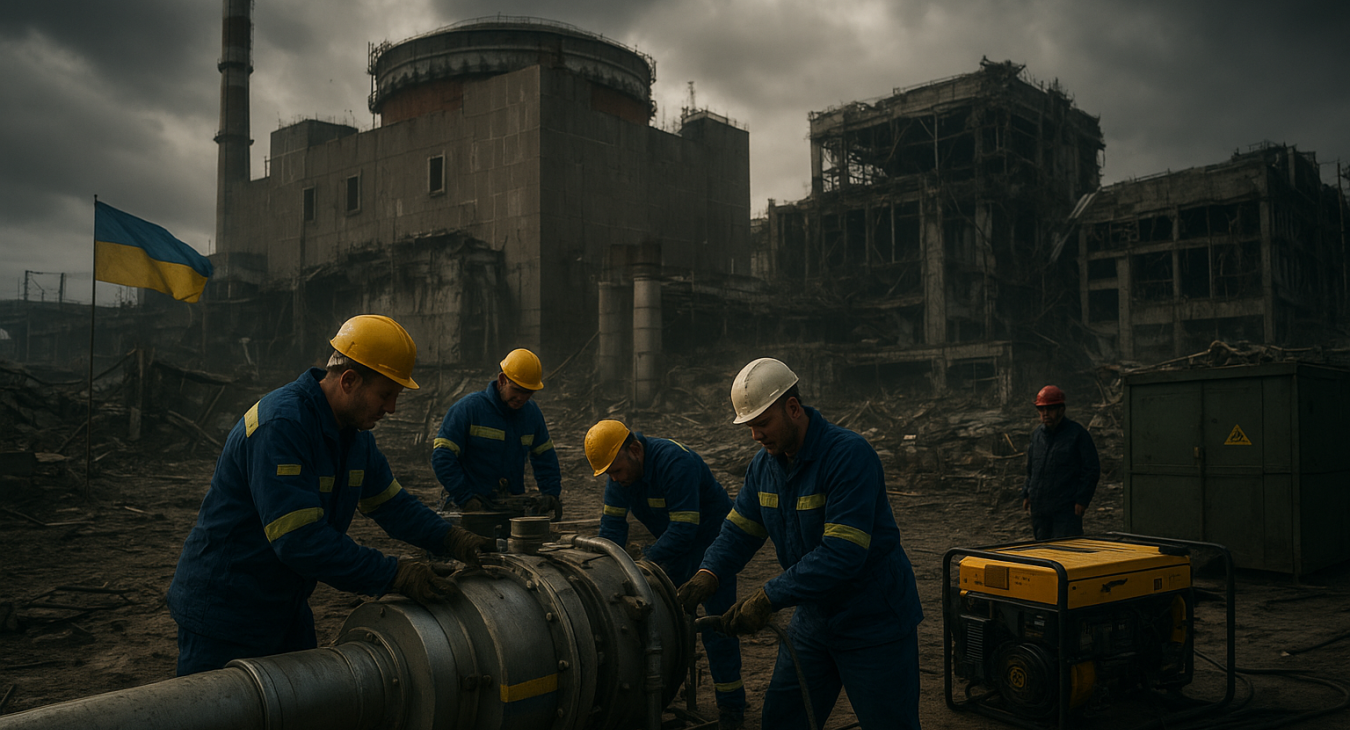
Nuclear safety is not just a technical issue; it carries deep human weight. Emergency response personnel on the ground, such as those at Chornobyl, face incredible challenges every day. Working amidst volatile conditions—including cold weather and elevated radiation levels near damaged structures like the New Safe Confinement (NSC)—requires immense dedication. More than 400 emergency workers have shown this commitment, managing complex aftereffects from incidents like recent drone strikes.
The community's connection to these sites is deeply personal. The world needs us to remember that protecting nuclear facilities means supporting the people who live with the lingering presence of radiological risks and are already dealing with displacement and limited services due to ongoing hostilities.
International Cooperation for Safety
Global cooperation provides crucial support. The European Union, through mechanisms like the EU Civil Protection Mechanism (UCPM), has deployed specialized gear—from radiation detection devices to protective equipment—and significant funding over €470 million toward safety and decommissioning efforts. This multi-faceted effort combines technical nuclear safety measures with humanitarian aid.
These coordinated actions recognize that managing a crisis requires more than just engineers; it demands supporting healthcare, which is also under immense strain. The World Health Organization (WHO) continues to appeal for support to sustain emergency care and mental health services for hundreds of thousands of Ukrainians, ensuring that the human element remains central to the recovery effort.
This shared global commitment—from international monitoring bodies like the IAEA calling for military restraint to humanitarian organizations assisting with medical evacuations—is vital. It ensures that while the risks are immense, the collective focus remains on safeguarding both nuclear infrastructure and the lives of the Ukrainian people, fostering a path toward stable recovery.
Read more articles
- Log in to post comments



