
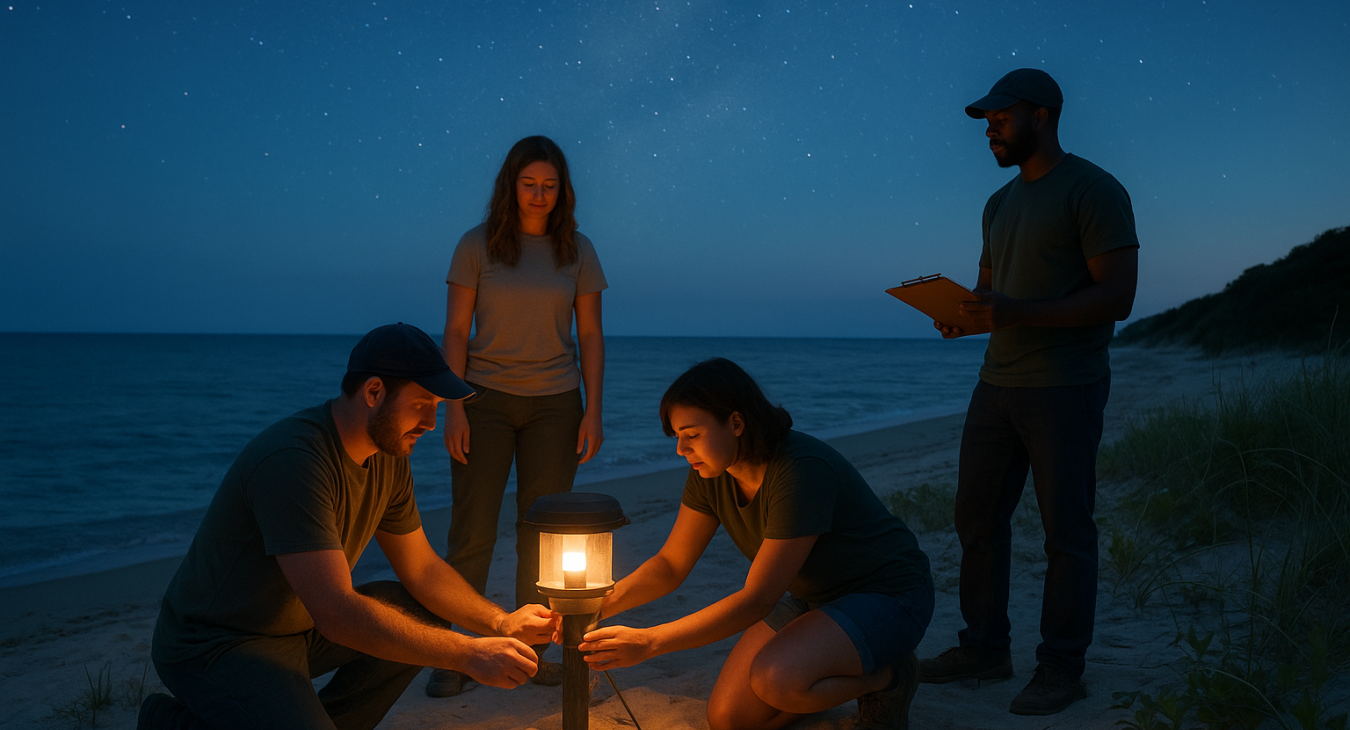
The night is a time for rest, but it is also a crucial period for many wild animals that rely on darkness to survive. Light pollution has become a significant problem in modern society, affecting ecosystems and disrupting the natural rhythms of wildlife. By turning off unnecessary lights at night, we can help protect these creatures and preserve their habitats.
The Impact of Artificial Light on Wildlife
Artificial light at night disrupts the behavior of many animals, including birds, insects, bats, and marine life. For example, sea turtles are often confused by artificial lights on beaches, leading them away from the ocean and toward roads or buildings where they can be harmed. Similarly, migratory birds can become disoriented by bright city lights, causing them to collide with structures or lose their way during migration.
The Importance of Darkness for Insects
Insects are a vital part of the ecosystem, providing food and pollination services. However, artificial light can attract insects from long distances, leading to exhaustion and death. This phenomenon is known as the vacuum cleaner effect, where lights draw in insects and deplete their populations over time. By reducing light pollution, we can help protect these essential creatures and maintain healthy ecosystems.
The Role of Bats in the Night Ecosystem
Bats are nocturnal animals that rely on echolocation to hunt for food and navigate through their environment. Artificial lights can interfere with their hunting patterns, making it difficult for them to find prey or avoid obstacles. By turning off unnecessary lights at night, we can help bats maintain their natural behaviors and contribute to the health of our ecosystems.
Protecting Marine Life from Light Pollution
Marine life is also affected by artificial light, particularly in coastal areas where bright lights can disrupt the behavior of fish and other marine creatures. For example, some species of fish are attracted to lights at night, leading them away from their natural habitats and into dangerous situations. By reducing light pollution, we can help protect these animals and maintain healthy oceans.
Practical Steps to Reduce Light Pollution
There are several practical steps you can take to reduce light pollution at night: Use shielded lights that direct light downward toward the ground. Turn off unnecessary lights when they are not in use. Use warm colored bulbs instead of cool white or blue ones, as these have less impact on wildlife. Consider using motion sensors for outdoor lighting so that lights only turn on when needed.
The Importance of Community Action
Reducing light pollution is a collective effort that requires the cooperation of everyone in our community. By working together to reduce unnecessary lights at night, we can help protect wildlife and preserve the natural beauty of the night sky. Let us take action today to turn off the lights and protect the wild animals of the night.