
Light pollution is a growing concern for wildlife and ecosystems around the world. It disrupts natural cycles, affects animal behavior, and impacts biodiversity in ways that are often overlooked by humans. By reducing unnecessary light at night, we can help restore balance to our environment and give animals their night back.
The Impact of Artificial Light on Wildlife
Artificial light at night (ALAN) affects a wide range of species, from insects to large mammals. For many animals, the natural cycle of day and night is essential for survival. It guides migration patterns, influences reproductive cycles, and dictates foraging behaviors. When artificial lights are introduced into these environments, they can confuse animals and lead to dangerous consequences.
Disruption of Migration Patterns
Many species rely on celestial cues like the moon and stars for navigation during migration. Artificial light can interfere with these signals, causing birds to become disoriented and collide with buildings or get lost in urban areas. This is particularly problematic for migratory birds that travel long distances across continents.
Effects on Marine Life
Light pollution also has significant impacts on marine life. Sea turtles, for example, are often confused by artificial lights and may head toward cities instead of the ocean. This can lead to increased mortality rates as they become exhausted or trapped in urban environments.
The Role of Insects
Insects are highly vulnerable to light pollution. Many species are attracted to artificial lights, which can lead to their death by exhaustion or predation. This has a profound impact on the food web as insects are essential for pollination and serve as a primary food source for many other animals.
Practical Steps to Reduce Light Pollution
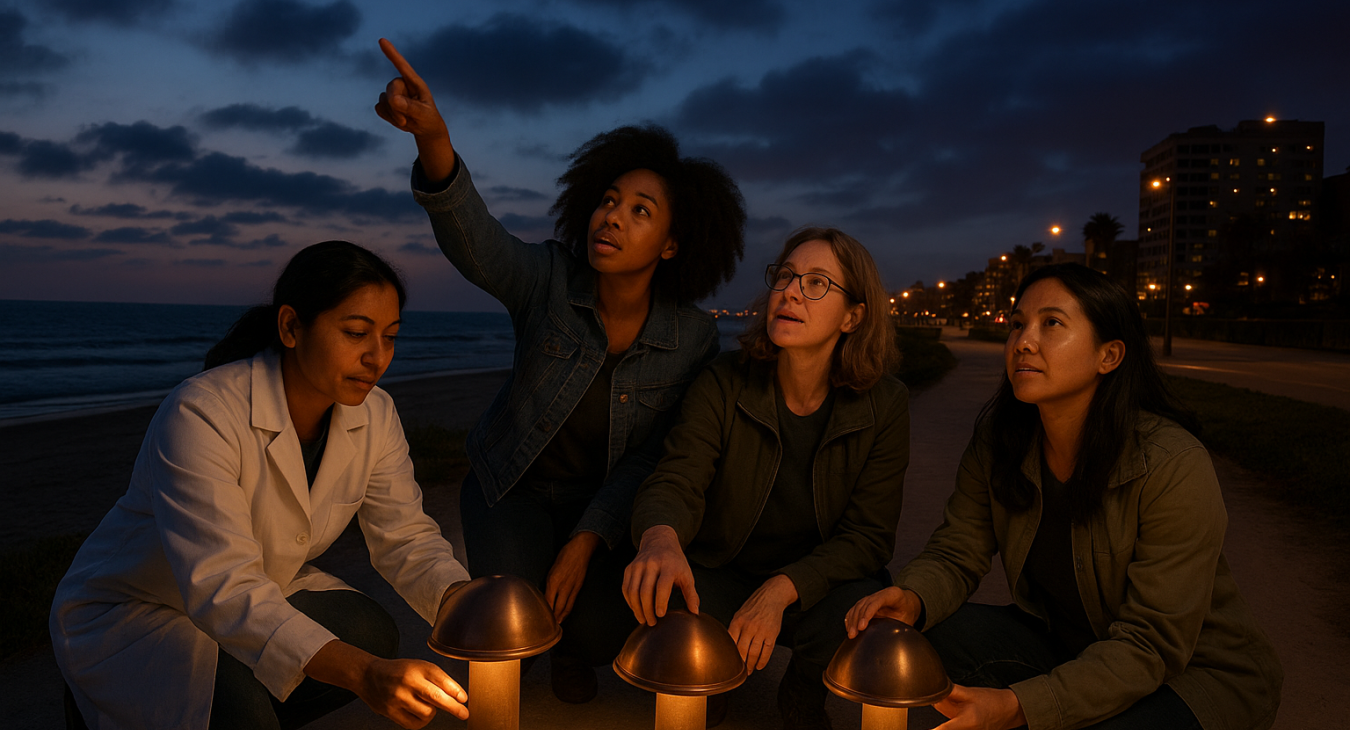
There are several practical steps individuals and communities can take to reduce light pollution. One of the most effective methods is to use shielded lights that direct illumination only where it is needed. This prevents light from spilling into the sky or surrounding areas.
Choosing the Right Bulbs
Selecting appropriate bulbs and fixtures can also make a difference. Using warm-colored lights instead of cool-white or blue-toned lights can reduce the impact on wildlife. Blue light is particularly disruptive to many species because it mimics natural daylight more closely.
Community Action
Communities and organizations can work together to implement better lighting practices in urban planning and public spaces. By adopting smart lighting systems that use motion sensors or dimmers, cities can reduce unnecessary light while still ensuring safety for humans.
The Importance of Awareness
Raising awareness about the impacts of light pollution is crucial for long-term change. Educating people about how artificial lights affect wildlife and ecosystems can lead to more informed decisions and better practices in lighting design and implementation.
Conclusion
By taking practical steps to reduce unnecessary light at night, we can help restore natural cycles for animals and give them their night back. This is a vital step toward protecting biodiversity and ensuring the health of our ecosystems.