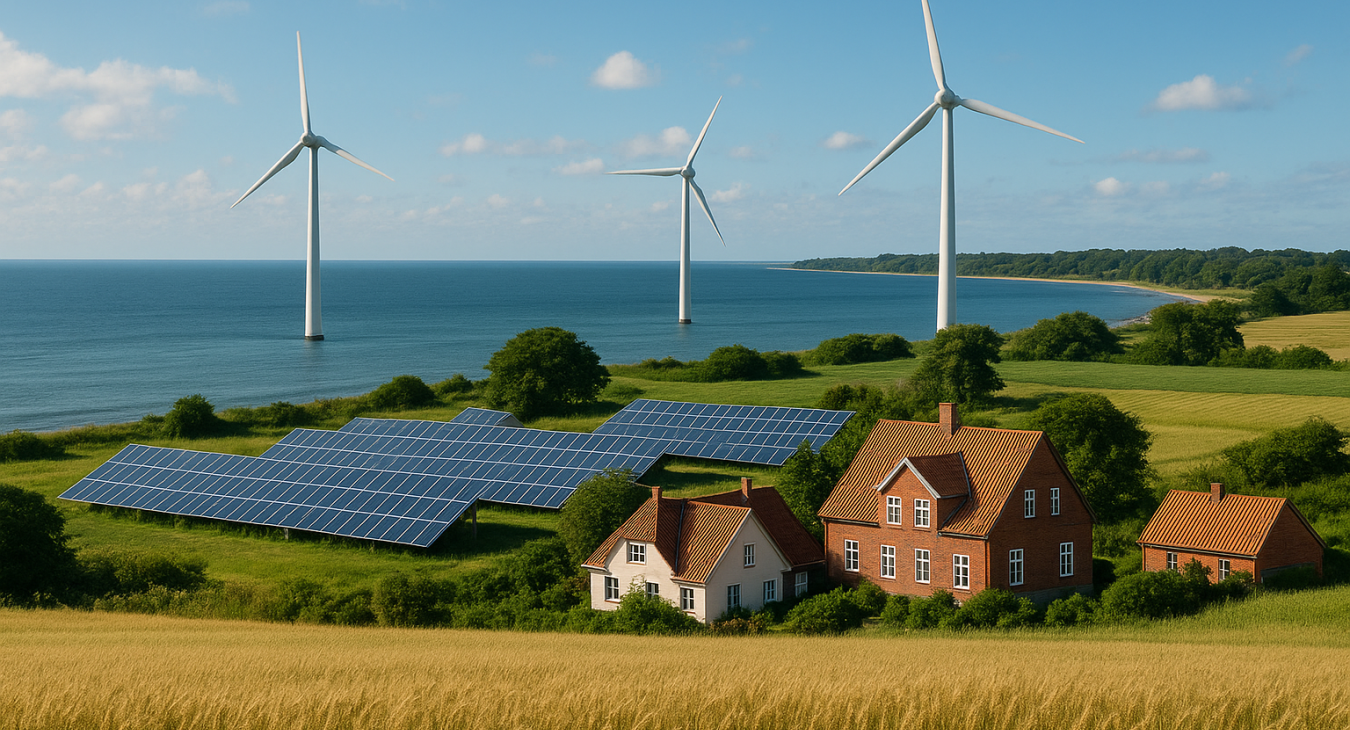
The story of Samsø, a small Danish island in the Baltic Sea, is a remarkable example of how community effort and innovative thinking can lead to complete energy independence. In just five years, from 1997 onwards, Samsø transitioned from relying on fossil fuels to generating all its electricity and heat solely from renewable sources. This achievement serves as an inspiration for other communities worldwide striving towards sustainability.
The Samsø Initiative: A Community-Driven Approach
In 1997, the Danish government launched a competition to find innovative ways to transition away from fossil fuels. Samsø, with its population of approximately 3,929 inhabitants, won this competition. Initially, the island was heavily reliant on oil for heating and electricity.
The key to Samsø’s success wasn't solely technological; it was deeply rooted in community engagement. The project fostered a sense of ownership among residents, encouraging them to actively participate in the transition to renewable energy. This involved open forums, educational programs, and collaborative decision-making processes. Local farmers played a crucial role by contributing land for wind turbines and biomass production.
Renewable Energy Sources Utilized
Samsø’s energy mix now relies on several key renewable sources:
- Wind Turbines: The island boasts a total of 21 wind turbines – 11 onshore and 10 offshore. These turbines are responsible for generating the majority of Samsø's electricity.
- Biomass Heating Plants: Biomass, derived from locally sourced agricultural waste and forest products, fuels these plants to provide heat for homes and businesses.
- Solar Power: Solar panels contribute to the island’s energy production, albeit on a smaller scale compared to wind power.
- Electric Vehicles: The adoption of electric vehicles is encouraged as part of Samsø's overall sustainability strategy.
Practical Details and Challenges
The transition wasn't without its challenges. Initial skepticism from some residents, securing funding for large-scale infrastructure projects, and ensuring the reliable operation of renewable energy systems were all hurdles that had to be overcome.
Interestingly, only five out of forty-two homes on Samsø exclusively use renewable energy sources for heating, utilizing technologies like heat pumps, solar thermal collectors, and wood stoves. This highlights a gradual shift and ongoing efforts toward wider adoption among residents.
Bornholm: A Similar Ambition
Inspired by Samsø's success, the neighboring island of Bornholm has also embarked on an ambitious journey towards carbon neutrality. Their goals include achieving carbon-neutral energy production by 2025, zero emissions by 2040, and full waste recycling/reuse by 2032. The EcoGrid EU project is a key component of Bornholm's strategy to manage the increased influx of renewable energy.
Contact and Further Information
While there isn’t a single dedicated contact point for the Samsø Renewable Energy Island project, information can be found through various Danish government agencies and organizations involved in sustainable energy initiatives. For general inquiries related to renewable energy in Denmark, you can try contacting the Danish Energy Agency. You might also find relevant information and contact details on local Bornholm government websites if looking for updates regarding the EcoGrid EU project.
Further research can be conducted through academic publications analyzing the Samsø case study, which delve deeper into the practical conditions contributing to its success. These resources often provide detailed insights into the social, economic, and environmental factors that played a crucial role in transforming Samsø into a renewable energy island.