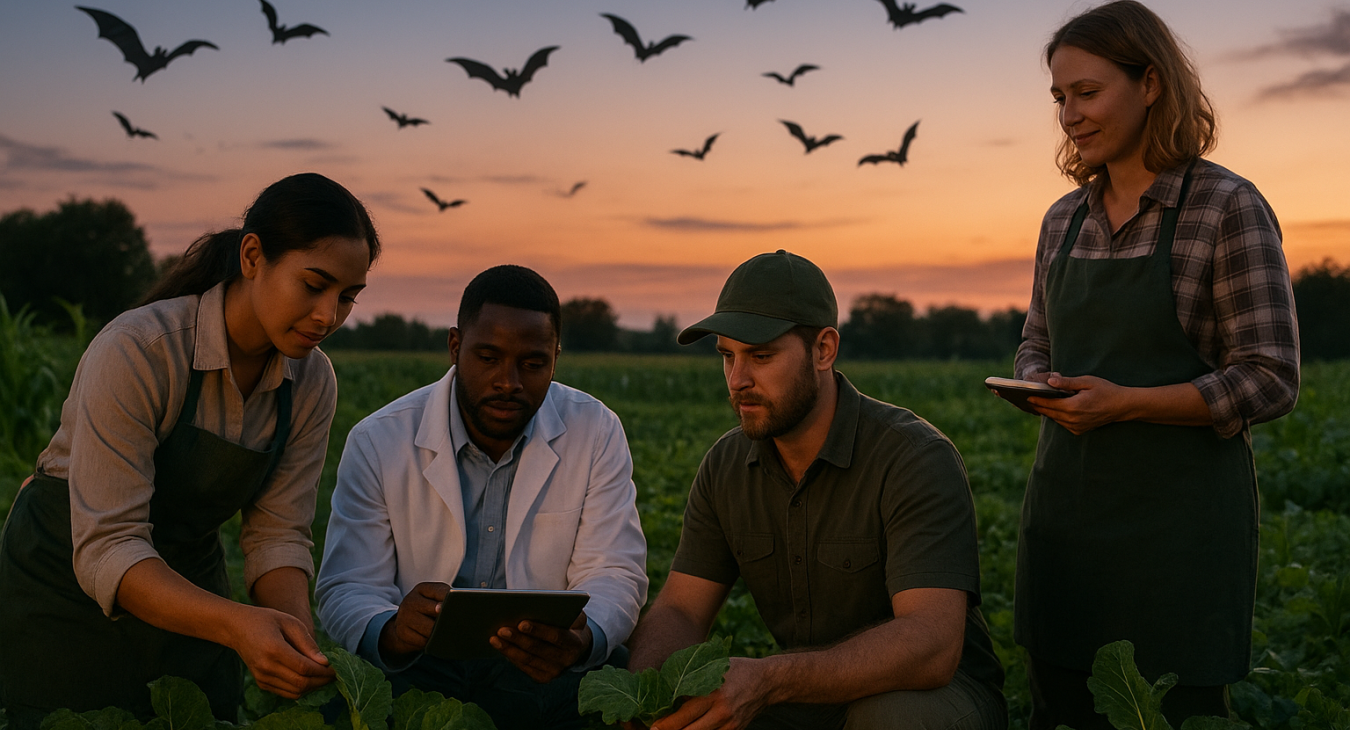
Introduction to Chiropteran Ecosystem Services
In the modern landscape of agriculture and home gardening, there is an increasing push toward organic methods and sustainable practices. One of the most effective, yet often overlooked, allies in this movement is the order Chiroptera, commonly known as bats. These mammals are not merely creatures of the night; they are sophisticated biological pest controllers that provide essential ecosystem services. By regulating insect populations, bats offer a natural alternative to the heavy application of chemical insecticides, helping to maintain the delicate balance of local environments.
The role of bats in biological control is a cornerstone of integrated pest management (IPM) strategies. Instead of relying solely on synthetic sprays that can harm non-target species and leach into groundwater, many farmers and gardeners are looking toward the natural predation provided by these nocturnal mammals. Understanding the mechanisms by which bats manage insect populations is the first step toward integrating them into a sustainable management plan.
The Diverse Diet and Predatory Habits of Bats
Not all bats are created equal when it comes to pest control. While some species consume nectar or fruit, many of the most beneficial species for pest management are insectivorous. These insect-eating bats use echolocation, a biological sonar system, to locate prey in total darkness. This highly specialized hunting method allows them to target specific insects with incredible precision, often mid-flight.
For the home gardener, certain species of small insectivorous bats are particularly valuable. They target various species of moths, beetles, and flies. In an agricultural context, the scale increases significantly. Large agricultural landscapes can support vast colonies of bats that consume millions of insects in a single season. By targeting the adult stages of many pests, bats can break the reproductive cycle of insects that would otherwise devastate a harvest.
Targeting High-Value Agricultural Pests
Agricultural productivity relies heavily on the protection of crops from devastating insect outbreaks. Many of the pests that cause the most economic damage are those that are active during the night. This includes various species of corn earworms, bollworms, and various types of moths that lay eggs on leaf surfaces. When these larvae hatch, they can strip a field of its nutritional value in a very short period.
By preying on these adult moths before they have the chance to deposit their eggs, bats act as a frontline defense. For example, in various studies involving large scale orchards and vegetable farms, it has been observed that the presence of bat colonies correlates with a significant reduction in the population of damaging pests. This natural predation reduces the economic threshold for chemical intervention, meaning farmers do not need to spray as frequently or as intensely.
Reducing the Chemical Burden in Your Garden
In a domestic garden setting, the goal is often to create a safe haven for pollinators and beneficial wildlife. The use of broad spectrum insecticides can be counterproductive, as these chemicals often kill the very insects, like bees and butterflies, that the gardener hopes to attract. This creates a cycle of dependency where more chemicals are needed to combat the pests that returned because their natural predators were also killed.
Inviting bats into your garden breaks this cycle. By providing a habitat that supports bat life, such as bat boxes or roosting sites, you encourage a natural regulatory system. As bats consume nocturnal pests like slugs, snails, and various flying insects, they provide a continuous service that does not leave toxic residues on the fruits, vegetables, or flowers you intend to consume. This leads to a safer, more biodiverse garden environment.
The Economic Benefits of Bat-Driven Pest Control
For large scale commercial farming, the economic arguments for bat conservation are as compelling as the environmental ones. The cost of purchasing, transporting, and applying chemical pesticides is a significant line item in any agricultural budget. Furthermore, the labor costs associated with spraying equipment can be substantial. Utilizing bats as a form of biological control can reduce these overhead costs over time.
Moreover, there is the growing market for pesticide free or organic produce. As consumer awareness regarding food safety and environmental health increases, the ability to certify a crop as grown without heavy chemical reliance can command a premium price. Bats contribute to this economic viability by providing a cost effective, self sustaining method of keeping pest populations below damaging levels.
Mitigating the Risks of Insecticide Resistance
One of the most significant challenges in modern pest management is the development of insecticide resistance. When pesticides are used repeatedly, the surviving insects pass on genetic traits that make them less susceptible to the chemical. This often leads to a "treadmill effect" where farmers must use higher concentrations or more toxic substances to achieve the same level of control.
Bats provide a different type of selective pressure. Because they consume a wide variety of insects and hunt using physical capture rather than chemical toxicity, it is much more difficult for insect populations to develop resistance to bat predation. This makes bats an essential component of long term sustainable farming, as they provide a constant and evolving biological check on pest populations that chemical solutions may eventually fail to control.
Creating a Bat Friendly Environment
To reap the benefits of bats, one must first ensure that they are able to live and thrive in the local area. Habitat loss is a primary driver in the decline of many bat species. In agricultural areas, the removal of hedgerows, old trees, and woodlots reduces the available roosting and foraging sites. In gardens, light pollution can be a significant deterrent, as many bat species are sensitive to artificial light.
Implementing simple changes can make a massive difference. Installing bat houses, which mimic the hollow trees that many species use for roosting, can provide immediate shelter. Reducing the use of artificial lights at night can help bats navigate and forage more effectively. Planting native trees and shrubs provides both food for insects (which in turn feeds the bats) and shelter for the bats themselves. By viewing the landscape as an integrated system, we can foster an environment where bats can perform their vital roles.
Conclusion: A Synergistic Approach to Pest Management
The integration of bats into our pest management strategies represents a shift toward working with nature rather than against it. While bats are not a silver bullet that can replace all management practices, they are a powerful tool in the toolkit of any responsible gardener or farmer. By supporting bat populations, we protect our crops, our soil, our water, and our own health from the unintended consequences of excessive pesticide use. The synergy between human agriculture and chiropteran activity is a key component in the quest for a sustainable and food secure future.