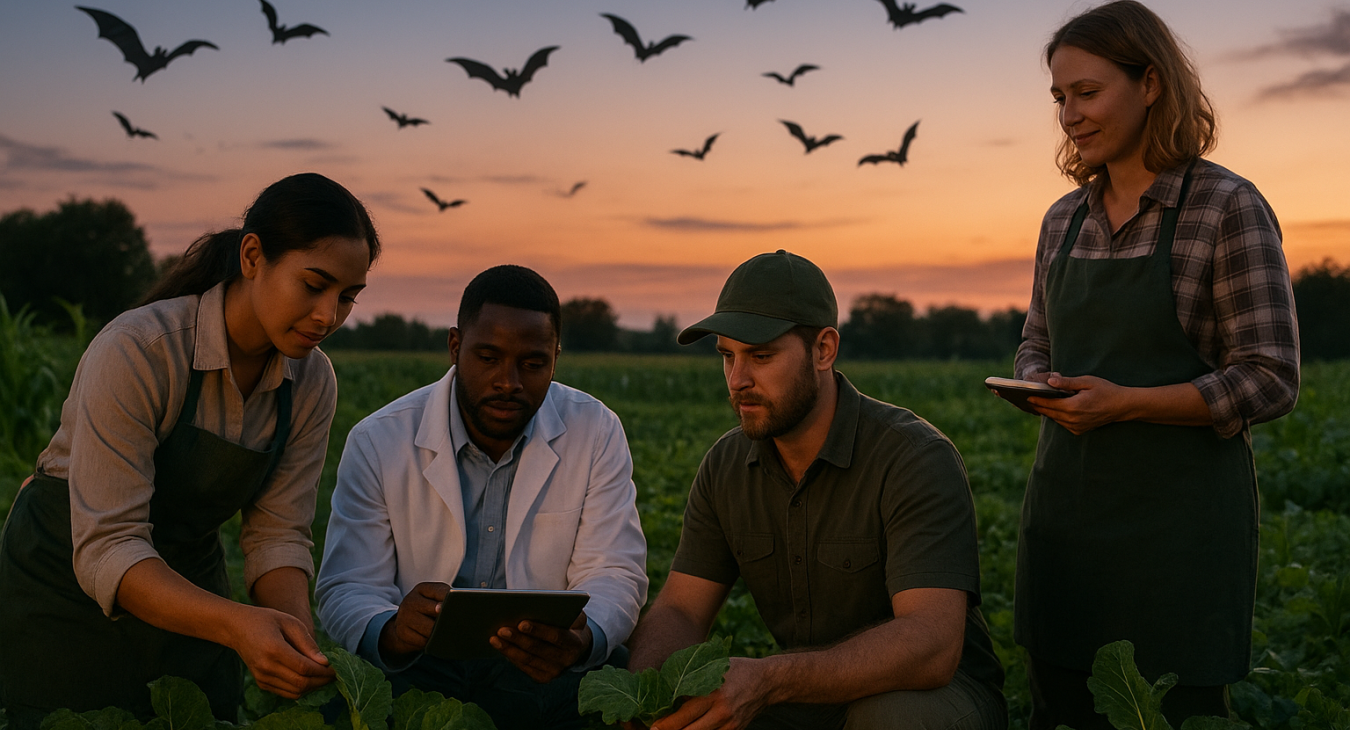
Bats play a critical role in forest regeneration through two primary mechanisms: pollination and seed dispersal. Many bat species are specialized pollinators that visit nocturnal flowers to feed on nectar. As they move between trees, they transfer pollen grains, which facilitates the fertilization of various plant species and maintains genetic diversity within the forest canopy.
Beyond pollination, many fruit eating bats act as essential seed dispersers. After consuming fruit, these bats fly significant distances before excreting the seeds in new locations. This process helps plants colonize new areas and prevents overcrowding in the parent tree's immediate vicinity. By transporting seeds to diverse habitats, bats accelerate the recovery of degraded forests and support the growth of new vegetation.
These ecological services are vital for maintaining biodiversity and ensuring the long term resilience of forest ecosystems. Without the contributions of these nocturnal mammals, many plant species would struggle to reproduce and spread, potentially leading to shifts in forest composition and reduced ecosystem stability.