An Introduction to the World of Chiroptera
Bats belong to the order Chiroptera, a scientific classification that distinguishes them as the only mammals capable of true powered flight. Despite their unique biological status, these nocturnal creatures are often shrouded in fear and misconception. Popular culture frequently depicts them as pests or even symbols of danger, yet scientific reality paints a far more beneficial picture. Bats are essential components of healthy ecosystems, performing critical tasks that support both environmental stability and human economic interests.
The Role of Bats in Pest Control
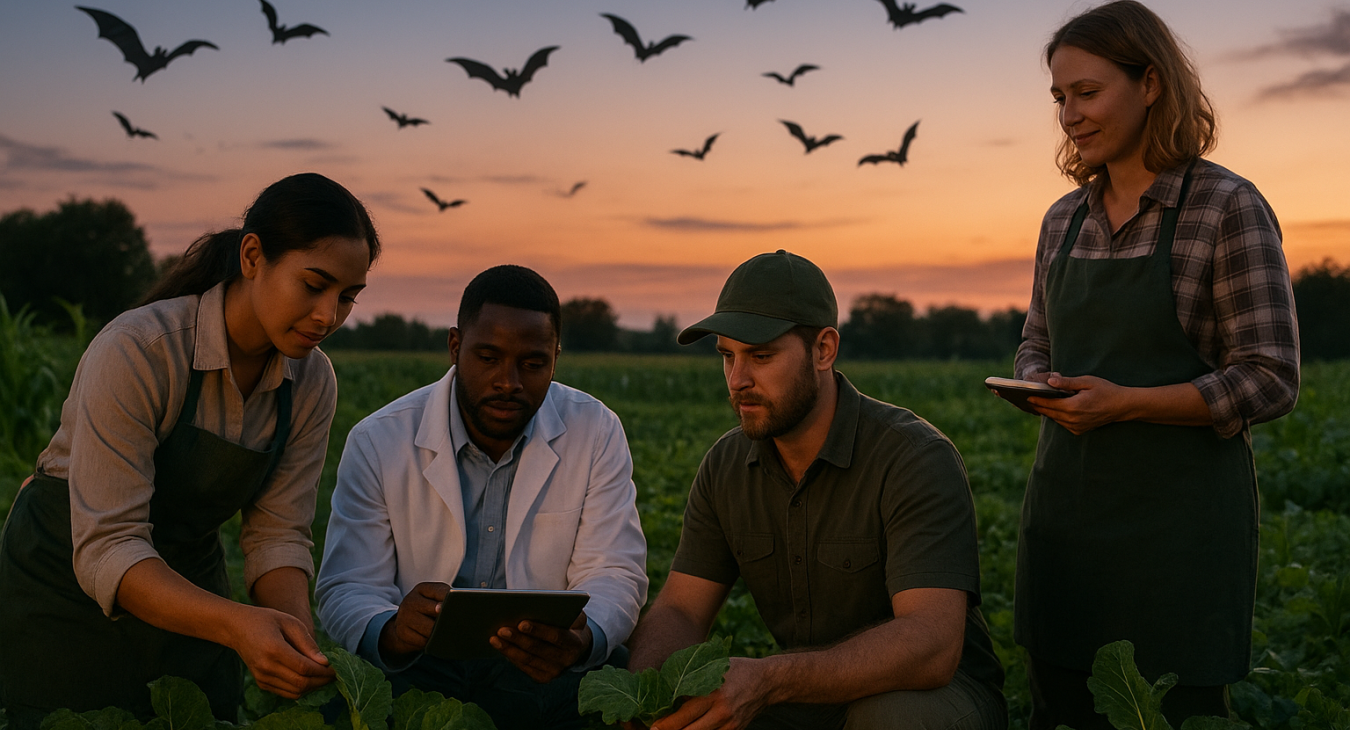
One of the most significant ecological services provided by bats is the regulation of insect populations. Many species of insectivorous bats consume vast quantities of insects every single night. This natural form of pest control is incredibly effective at reducing the numbers of nocturnal insects that can damage agricultural crops or spread diseases. By acting as biological control agents, bats help farmers reduce their reliance on chemical pesticides. This reduction in pesticide use is beneficial for soil health, water quality, and the overall biodiversity of the surrounding landscape.
Pollination and the Economic Impact
While many people associate pollination primarily with bees, bats play a vital role in the reproduction of numerous plant species. Many tropical and subtropical plants have evolved to be pollinated by bats, a process often referred to as chiropterophily. These plants frequently produce large, pale flowers that open at night and emit strong scents to attract bats. This pollination service is critical for the production of various fruits, nuts, and other agricultural products. The economic value of bat-mediated pollination is estimated to be worth billions of dollars globally, highlighting how these mammals support human food security.
Seed Dispersal and Forest Regeneration
Beyond pollination, bats are master seed dispersers. Frugivorous bats, which feed primarily on fruit, play a fundamental role in forest regeneration. As bats move from tree to tree feeding, they consume fruit and later deposit seeds in new locations through their droppings. This process allows plants to colonize new areas and helps maintain the genetic diversity of forest ecosystems. By facilitating the spread of seeds, bats act as natural gardeners, ensuring that forests remain lush and diverse even in areas that have experienced disturbance.
Nutrient Cycling and Soil Enrichment
The presence of bats contributes significantly to the cycling of nutrients within an ecosystem. One of the most notable examples is the accumulation of guano, which is the accumulated excrement of bats. In many cave systems and roosting sites, guano serves as a primary source of nutrients for a variety of other organisms. This nutrient input can support complex food webs, including fungi, insects, and even small fish in cave-associated water bodies. This process illustrates how the activity of bats supports life at multiple levels of the ecological hierarchy.
The Challenges Facing Bat Populations
Despite their immense value, many bat populations are currently facing severe threats. One of the most devastating challenges is white-nose syndrome, a fungal disease that has caused massive mortality rates among several species of bats in North America. Habitat loss is another critical factor, as urbanization and deforestation destroy the roosting sites and foraging grounds that bats rely on for survival. Human disturbances and the excessive use of pesticides also create a hostile environment for these sensitive mammals.
Conservation Efforts and the Future of Bats
Recognizing the essential role that bats play, various organizations, including the U.S. Fish and Wildlife Service, have emphasized the importance of their conservation. Efforts are underway to protect critical habitats, mitigate the spread of diseases, and educate the public about the benefits these animals provide. By understanding that bats are beneficial rather than harmful, society can work toward a more balanced relationship with these nocturnal pollinators and pest controllers. Protecting bats is not just about saving a single species, but about preserving the health of the entire global ecosystem.