Why you might feel better and be healthier by watching a sunset
The act of observing the transition between day and night, specifically during sunrise and sunset, offers profound psychological and physiological benefits. These moments, often referred to as the "golden hour," provide a unique opportunity for individuals to experience awe—a powerful emotion that can significantly impact mental health, social behavior, and even physical well-being.
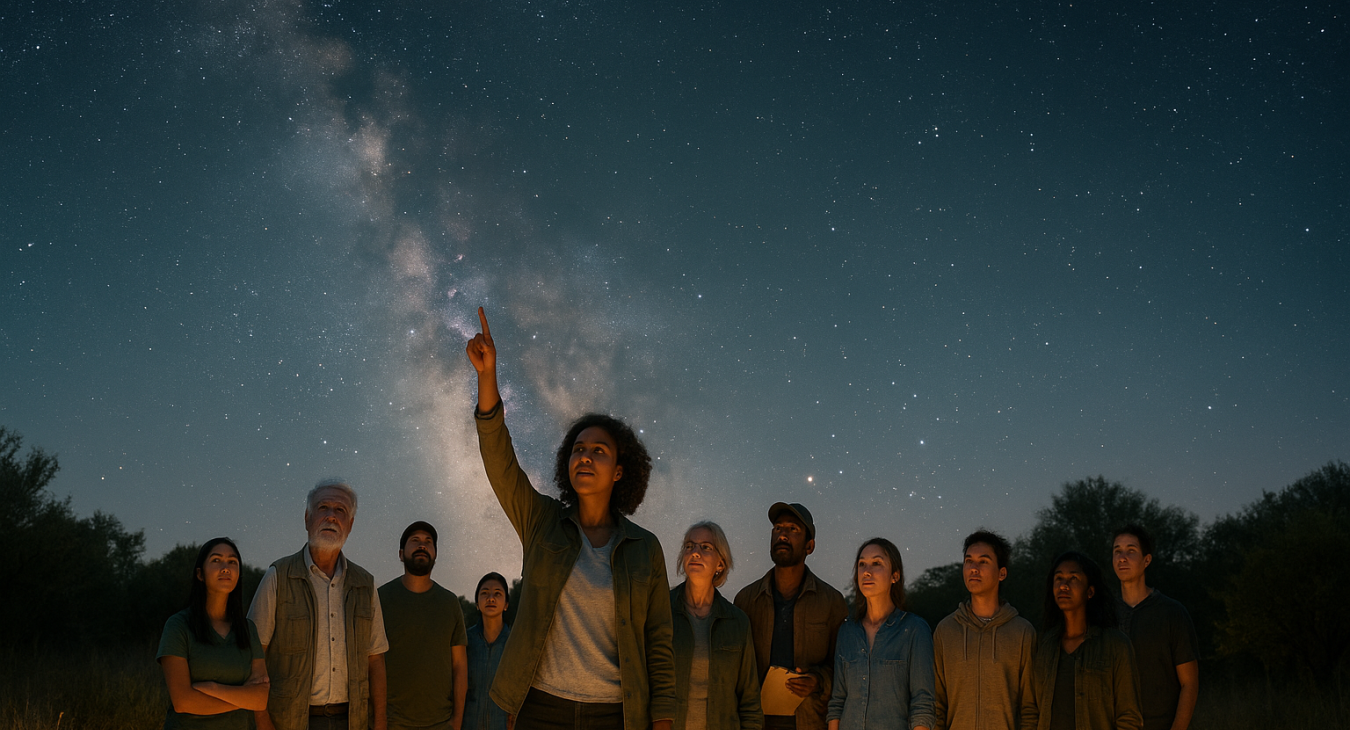
The primary benefit of watching sunrises and sunsets is the sense of awe it inspires. Awe is defined as the feeling we get when we witness something immense and profound that we cannot fully comprehend. This experience changes our perception, often eliciting a physical response such as tears or chills. One of the most reliable properties of awe is the feeling of being small—that one's personal issues, problems, and life are insignificant in the grand scheme of things.
This shift in perspective can be incredibly beneficial for mental health. When we get stuck in negative thought loops, awe-inspiring events like sunsets can demand our attention, breaking the loop and bringing us back to the present. This reduction in ruminative thinking is a key component of improved mental well-being. Furthermore, research has shown that this perspective shift also inspires more prosocial behavior, such as volunteering and a greater sense of purpose.
The feeling of being small can lead to increased altruism. When we are less focused on ourselves, our own goals, and the thoughts in our heads, we have more bandwidth to notice others and what they may be experiencing. This is evidenced by studies where participants who were exposed to awe-inspiring scenes—such as a five-minute clip of grand, sweeping shots of scenic vistas—were more helpful than those who were not.
The benefits of watching sunrises and sunsets also extend to our physical health. The golden hour light can have a meaningful impact on our brain and mental health: diminishing anxiety and depression while boosting memory, creativity, sleep, and even altruism. These findings suggest that the simple act of observing these natural phenomena can lead to significant improvements in overall well-being.
In conclusion, watching sunrises and sunsets provides numerous benefits for both mental and physical health. By fostering a sense of awe and reducing our focus on ourselves, these moments allow us to experience more perspective and engage more with the world around us. The act of observing these natural events can lead to improved well-being, increased altruism, and even better sleep and memory.