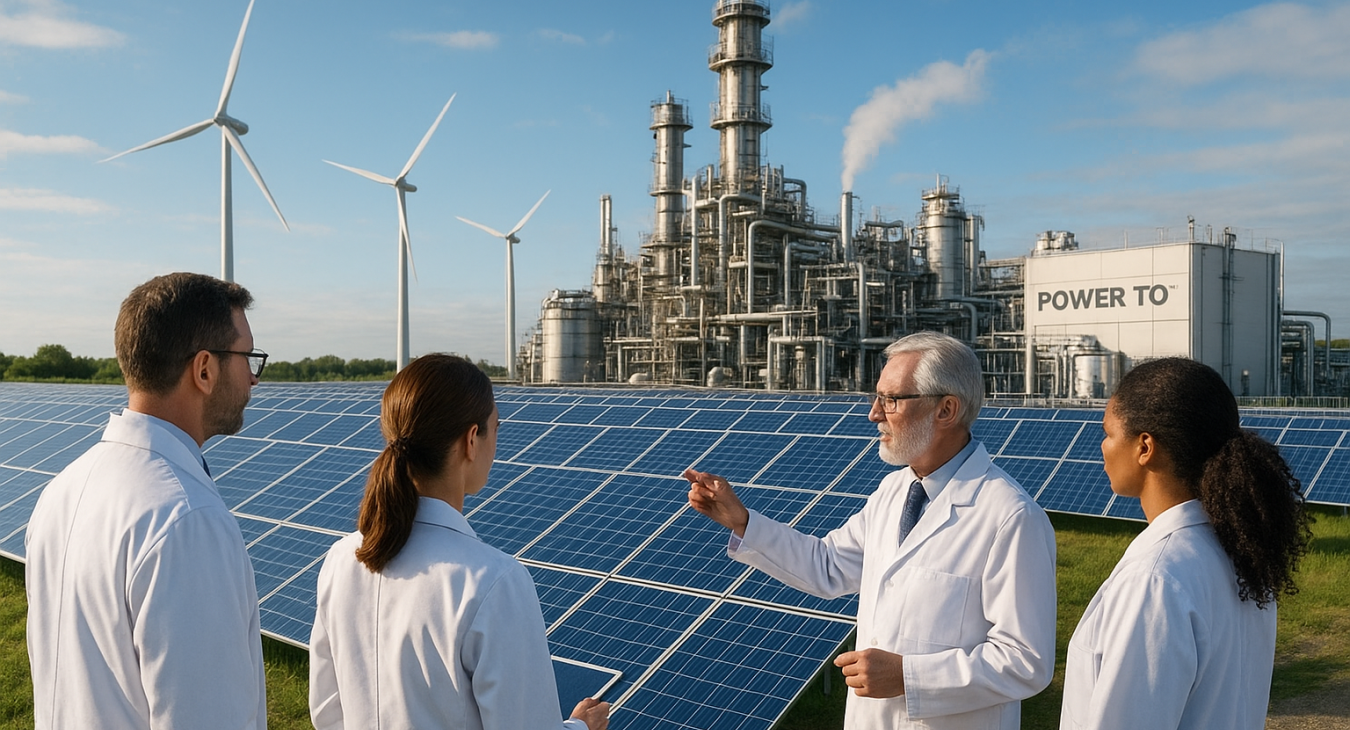
The conversion of hydrogen into e-fuels involves several stages, primarily electrolysis, synthesis, and distribution. The round trip efficiency typically ranges between 30 percent and 50 percent depending on the specific technology used. Electrolysis converts water and renewable electricity into hydrogen with an efficiency of approximately 60 to 80 percent. Subsequent processes like Fischer-Tropsch synthesis or methanol production further reduce the total energy output.
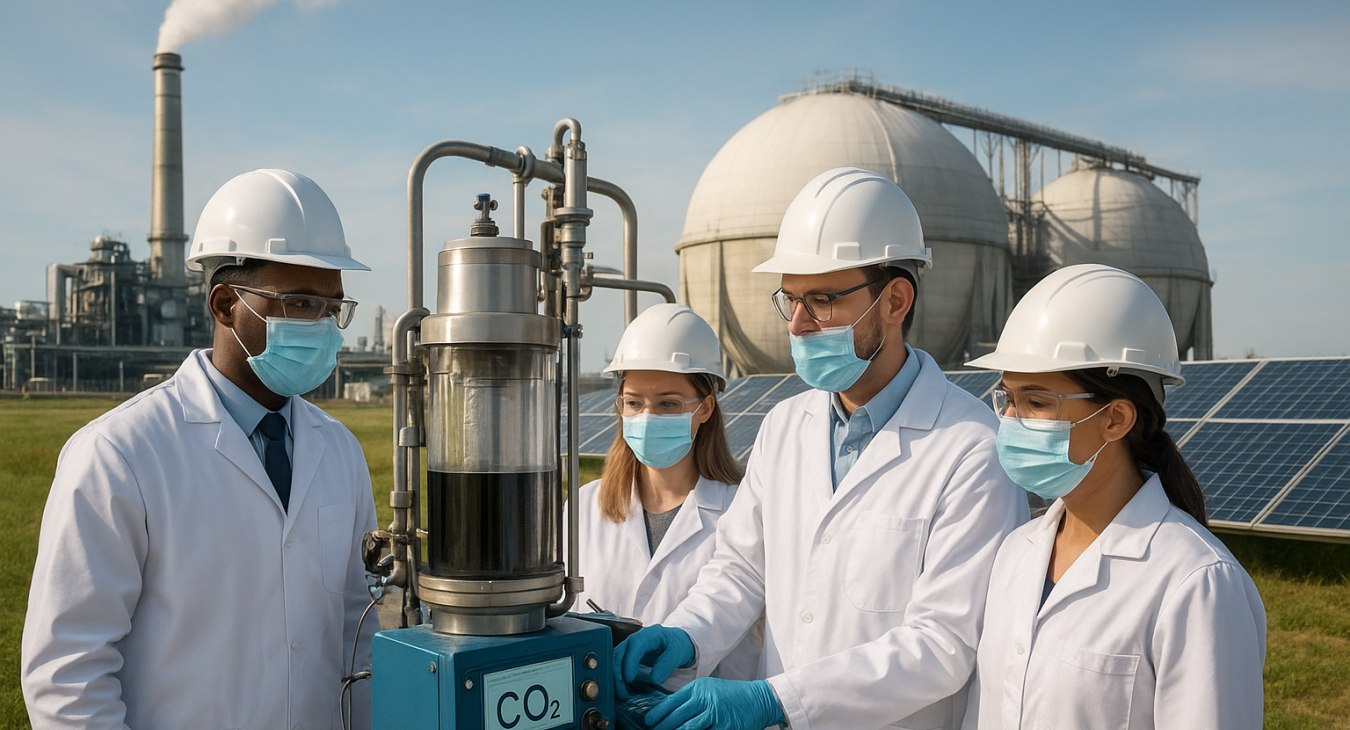
Factors influencing these figures include the type of feedstock, catalyst performance, and heat recovery systems. For example, e-methane production can achieve higher efficiencies than some liquid fuels because it requires less complex chemical restructuring. However, the primary challenge remains the significant energy loss during high temperature synthesis steps. Research focuses on improving carbon capture technologies to integrate with hydrogen production for a more sustainable cycle.
For detailed technical specifications and current research data, you may refer to the International Energy Agency (IEA) website at iea.org or contact their information office via email at info@iea.org.