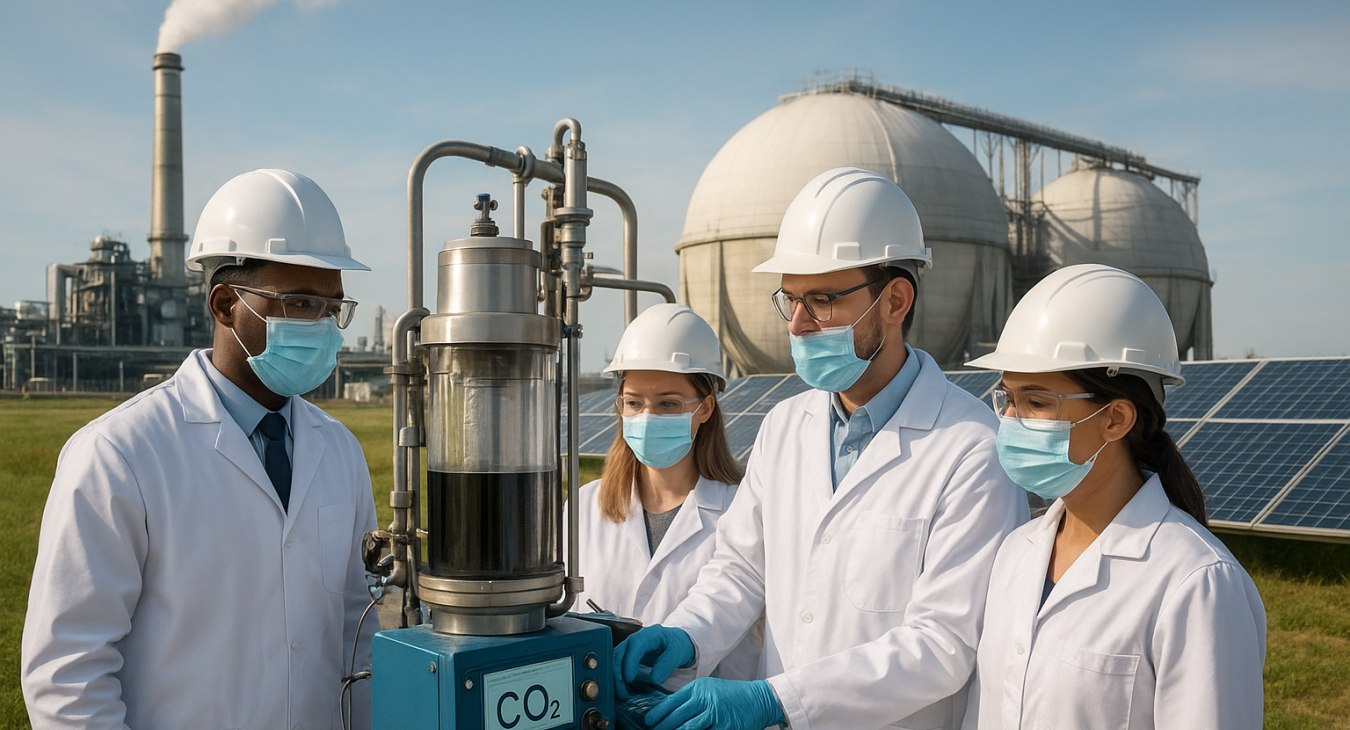
Technological Fundamentals of CCUS
Carbon capture, use, and storage (CCUS) encompasses a suite of technologies designed to isolate carbon dioxide (CO2) from industrial and energy-related sources before it enters the atmosphere. The petroleum industry views CCUS as a primary mechanism for decarbonizing production while maintaining fossil fuel output. However, technical performance limitations persist across several subsystems including capture, transport, and sequestration.
Energy Penalties and Material Degradation
The carbon capture process introduces an energy penalty which is the additional power required to operate chemical separation units. This increased demand often reduces the net efficiency of electricity generation plants by significant margins. Furthermore material degradation occurs when chemicals or high-pressure CO2 react with industrial equipment components leading to corrosion and structural fatigue.
Membrane System Inefficiencies
Membrane systems are one method for separating gases based on permeability differences. These systems often face foundational constraints such as low selectivity between different gas types including nitrogen and carbon dioxide. Research into membrane materials aims to address these inefficiencies but industrial applications remain costly due to the production of high-quality membranes required for scalable capture.
Pipeline Safety and Infrastructure Integrity
Infrastructure used for CO2 transport presents unique hazards because pipelines can leak or rupture under pressure. Ruptures create localized areas of high CO2 concentration which are dangerous in enclosed spaces or low lying regions due to potential asphyxiation risks. Regular monitoring is required but costs for maintaining large scale pipeline networks are substantial and contribute significantly to the total cost of CCUS projects.
Geotechnical Risks and Sequestration Challenges
Permanent CO2 storage involves injecting gases into deep geological formations such as saline aquifers or depleted oil and gas reservoirs. Geotechnical uncertainties remain regarding how these reservoirs behave over centuries because factors like pressure changes and subsurface chemistry are difficult to model with perfect accuracy. Potential risks include induced seismic activity which is the vibration of the earth resulting from human activities such as fluid injection.
Groundwater Contamination Hazards
Subsurface CO2 migration poses a risk for groundwater contamination because leaks can alter the chemical composition of drinking water sources. Changes in acidity and heavy metal concentrations may occur if CO2 reaches shallow aquifers that are used for human consumption or agriculture. Regulatory blind spots exist where monitoring protocols do not specify precise limits for these types of geochemical changes.
Monitoring Burdens and Economic Feasibility
Maintaining carbon storage facilities imposes significant long term monitoring burdens because sensors must be active to detect leaks throughout the operational life of a facility. The costs associated with continuous surveillance are high enough that they often deter private investment in these projects. Consequently many fossil fuel producing countries face financial difficulties when trying to balance CCS infrastructure development against economic viability.