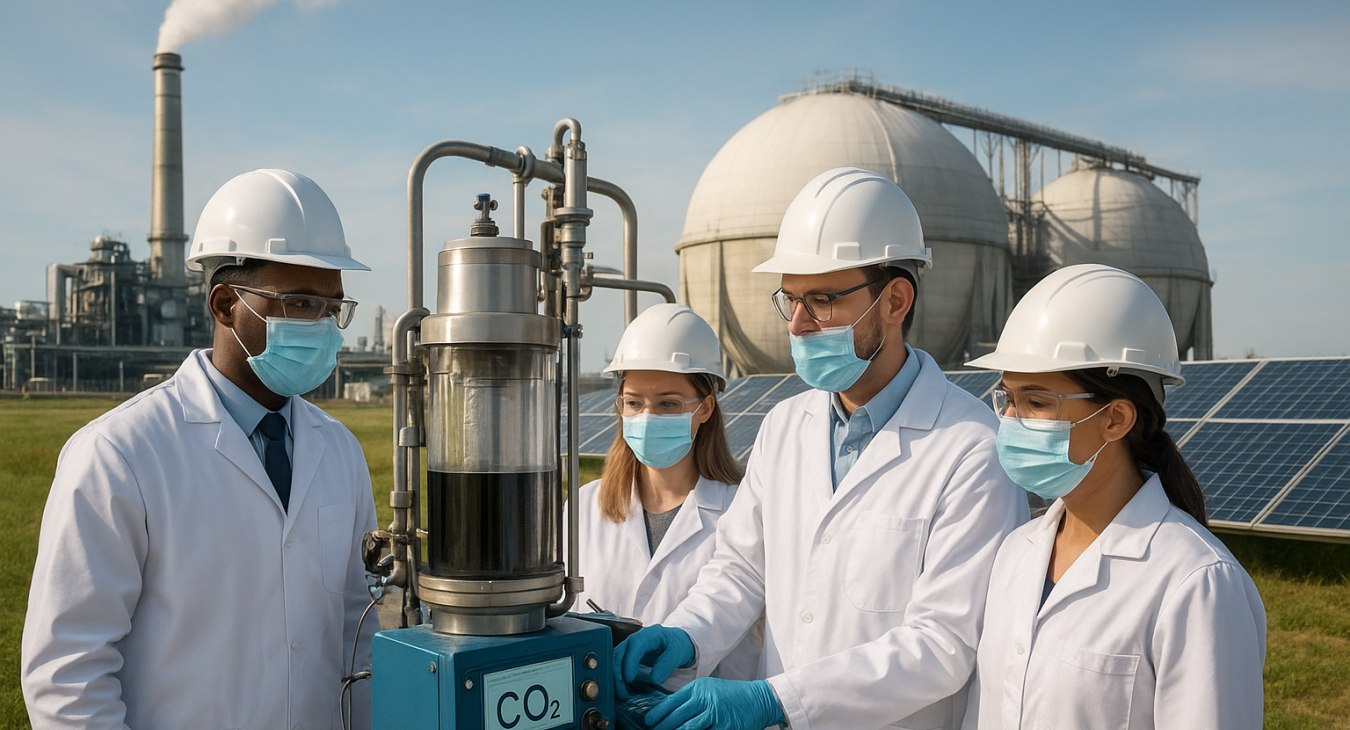
Carbon capture and storage (CCS) is a technology designed to intercept carbon dioxide (CO2) emissions from industrial sources or the atmosphere and sequester them in geological formations for long term containment. While CCS is frequently cited as a primary strategy for mitigating anthropogenic climate change, significant geological constraints and risks associated with subsurface sequestration pose substantial challenges to its scalability and effectiveness.
Geological Storage Capacity
The identification of viable storage sites depends on the availability of specific lithologies and structural geometries capable of holding large volumes of injected CO2. Potential reservoirs include depleted oil and gas fields, unmineable coal seams, and deep saline aquifers. Saline aquifers are formations containing water-bearing porous rocks such as sandstone or limestone, which offer substantial capacity but require extensive characterization to ensure integrity.
Permeability and Porosity Constraints
The ability to inject CO2 into a formation depends on its porosity, the measure of void space in a rock, and permeability, the measure of fluid flow through interconnected pores. Low permeability restricts injection rates and increases operational costs. Furthermore, optimal storage requires deep formations where high pressure maintains the CO2 in a supercritical state, characterized by both liquid and gas properties.
Risk of Leakage
The primary risk associated with geological sequestration is the unintended release of stored CO2 into the atmosphere or groundwater aquifers. Potential leakage pathways include abandoned wells, faults, and fractures within the caprock, which is an impermeable layer such as shale or evaporites that seals the storage reservoir. Faults are structural breaks in the Earth's crust that can conduct fluids and gases under certain pressure regimes.
Seismic Activity
Injecting CO2 into subsurface formations increases pore pressure, potentially inducing seismic activity including microseismicity and larger earthquakes. This phenomenon occurs when fluid injection triggers movement along pre existing faults or creates new fractures in the caprock. Monitoring systems must detect these events to prevent damage to surface infrastructure and environmental safety.
Geochemical Interactions
CO2 injected into saline aquifers can react with minerals, leading to changes in rock chemistry and formation integrity. Acidification of water due to CO2 dissolution produces carbonic acid, which may dissolve carbonate minerals or precipitate secondary minerals like siderite or calcite. These reactions affect the long term stability of stored carbon dioxide.
Transport Infrastructure
The transportation of captured CO2 from sources to storage sites requires extensive pipeline and shipping infrastructure. Geological hazards such as corrosion in pipelines due to chemical interactions between CO2 and water can compromise structural integrity. Pipeline routes must avoid areas with high seismic risk or significant geological instability to minimize the potential for leaks.
Regulatory Challenges
The development of CCS projects involves navigating complex regulatory frameworks regarding subsurface ownership and liability for leaked carbon dioxide. Different jurisdictions have distinct rules governing the long term management of sequestered CO2 and environmental safety standards for injection operations. Regulatory certainty is essential for large scale deployment of geological sequestration technologies.
Monitoring Technologies
Advanced monitoring techniques are required to ensure the containment integrity of subsurface storage sites over time. Methods include 4D seismic surveys, which use periodic acoustic waves to map changes in fluid distribution and pressure within a reservoir, as well as groundwater monitoring for CO2 presence or pH shifts. These technologies provide critical data for long term risk management.
Economic Feasibility
The economic feasibility of CCS depends on the cost of capture technology, transportation infrastructure, and storage site development. High costs associated with characterizing geological formations and managing leakage risks can limit the scale of deployment. Government incentives and carbon pricing mechanisms are necessary to support initial investments in large scale CCS projects.
Research Initiatives
Ongoing research focuses on improving understanding of geological sequestration mechanisms and enhancing detection methods for potential leaks. Studies examine mineral carbonation, where CO2 reacts with rocks to form solid carbonate minerals like magnesite or ankerite, potentially providing permanent storage solution through mineralisation process. New technologies are being developed to detect small scale leaks in pipelines and subsurface reservoirs.
Future Outlook
Despite geological risks and technical challenges associated with CCS, ongoing research aims to optimize sequestration practices and enhance long term containment integrity. Success depends on understanding the complex interactions between geology, chemistry, and technology while addressing regulatory and economic barriers to large scale implementation of carbon capture systems.