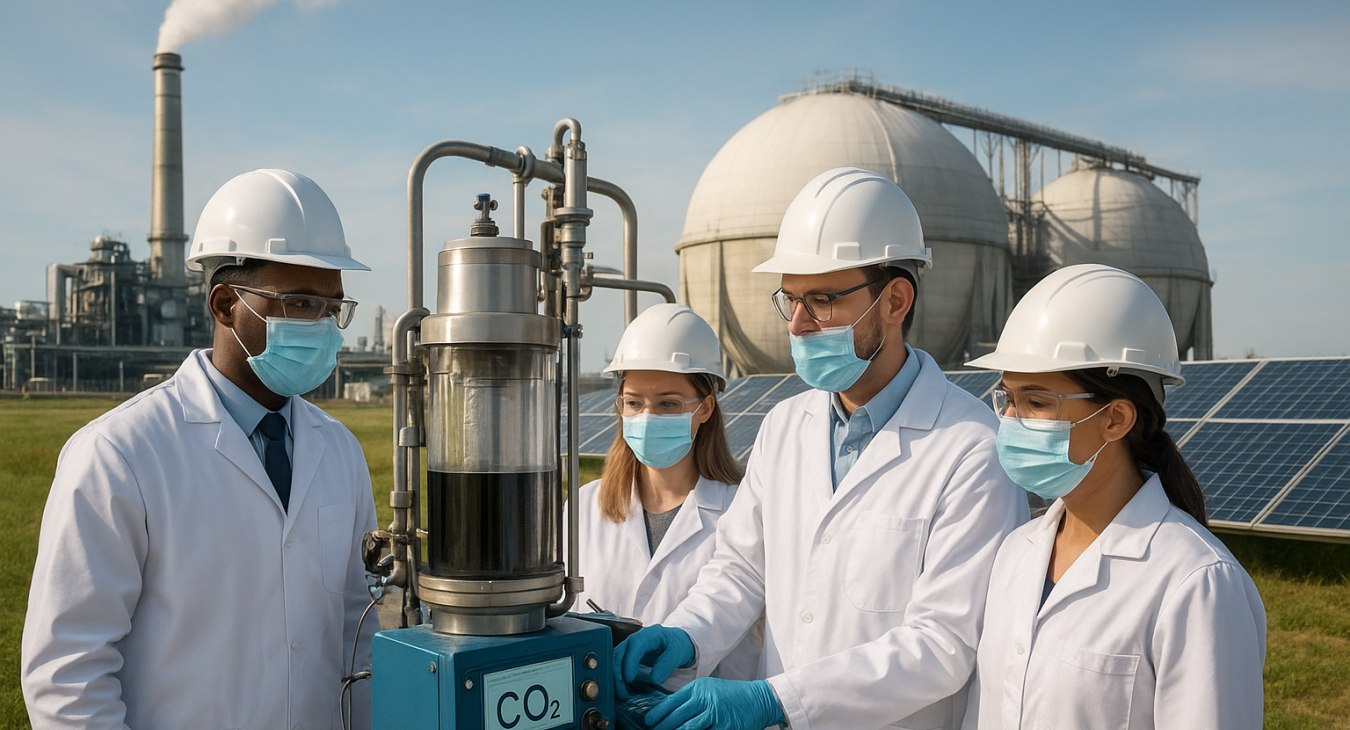
Carbon Capture and Storage (CCS) involves the capture, transport, and geological storage of carbon dioxide (CO2). This technology aims to mitigate climate change by reducing atmospheric greenhouse gas concentrations.
The large scale deployment of Carbon Capture Utilization and Storage (CCUS) faces challenges regarding tracking carbon dioxide plume migration and ensuring containment within specified subsurface formations to prevent leakages. Monitoring these developments requires sophisticated sensors and modeling techniques.
Infrastructure Requirements
Implementing CCS at a global scale necessitates extensive infrastructure including pipelines, transport vessels, and storage facilities. These systems must withstand high pressures and corrosive environments associated with CO2 transportation. Pipeline networks are crucial for connecting point sources of emissions such as industrial plants to suitable geological reservoirs.
Geological Storage Formations
Subsurface formations suitable for geological storage include depleted oil and gas fields, saline aquifers, and unmineable coal seams. These reservoirs must have sufficient porosity to allow CO2 injection and permeability to facilitate its flow into the formation. The capacity of these systems depends on factors like depth, rock type, and pressure conditions.
Leakage Risk Assessment
The primary risk associated with geological storage is leakage from the reservoir or overburden layers into higher strata or onto the surface. Overburden refers to the layer of earth covering a geological formation that may act as an impermeable seal for stored CO2. Leakage can occur through faults, fractures in the caprock, or abandoned wells.
Monitoring Technologies
Advanced monitoring technologies are essential for evaluating plume migration and ensuring containment within storage reservoirs. Methods include seismic surveys to detect changes in subsurface structure and pressure sensors to monitor injection rates and reservoir conditions. Satellite imaging and groundwater quality monitoring provide additional data points to assess the integrity of geological seals.
Potential Mitigation Strategies
Mitigation strategies for leakage risks involve regular inspection of wellbores, improved sealing techniques, and real time pressure monitoring. These measures help ensure that injected CO2 remains isolated from the atmosphere and surface environments. Research continues on materials science to develop more durable sealants and corrosion resistant coatings.
Future Outlook
The success of global CCS deployment depends on overcoming infrastructure challenges and managing leakage risks effectively. Development of large scale CCUS projects will require sustained investment in research, infrastructure development, and policy support to mitigate climate change.